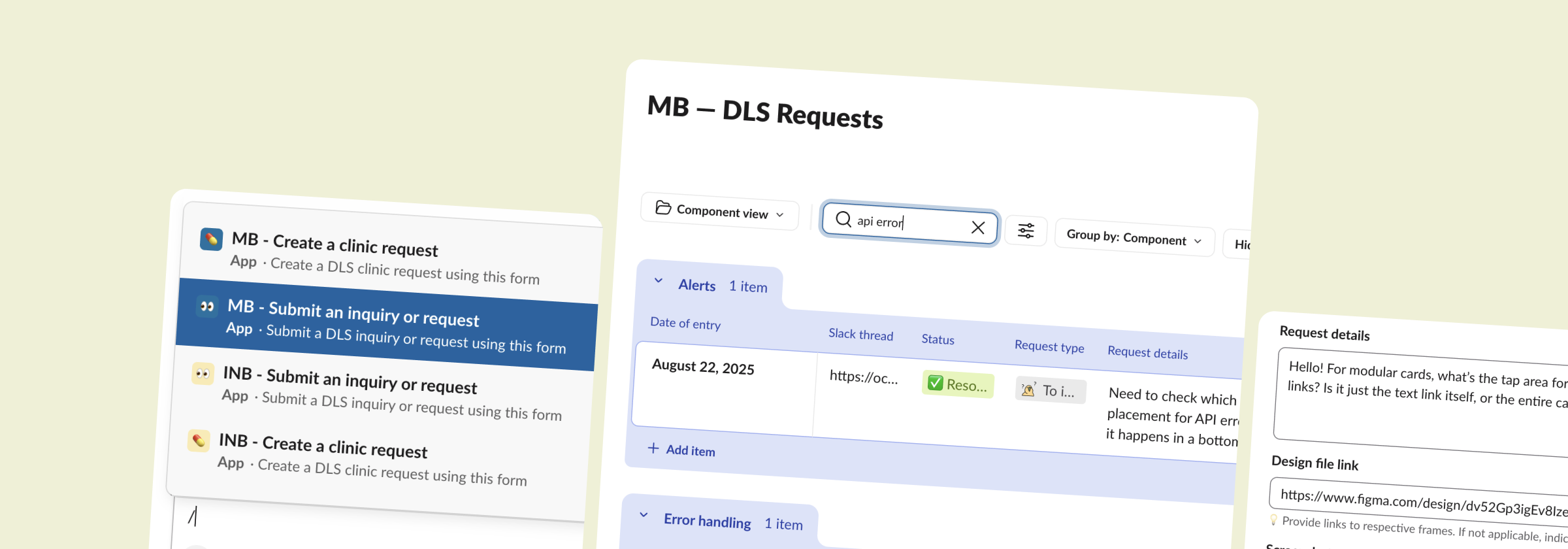
A system for design systems: Automating workflows and centralising knowledge
A system for design systems: Automating workflows and centralising knowledge
Our team of five built and maintains OCBC’s Design Language System. I built a centralised system for DLS support and governance, helping designers get support, find past answers and request design reviews.
Team
5 Product Designers
Year
2024
Contribution
Design ops, Workflow automation, Design systems
Building the design system was only part of the work
In 2023, our team began building OCBC’s new Design Language System alongside our core product roles.
As new components and patterns took shape, questions naturally followed. Designers would approach us individually for guidance, while we met weekly as a DLS team to work through new use cases and align on how components should behave.
Over time, the support became harder to manage. We were answering many of the same questions for different designers, often one conversation at a time. We realised we needed a way to make those answers useful beyond the person who first asked.
One question, one answer everyone could learn from
I started exploring how Slack, already our primary communication tool, could become a central place for DLS support and knowledge. The goal was simple:
Solution
01 – Bring questions into one place
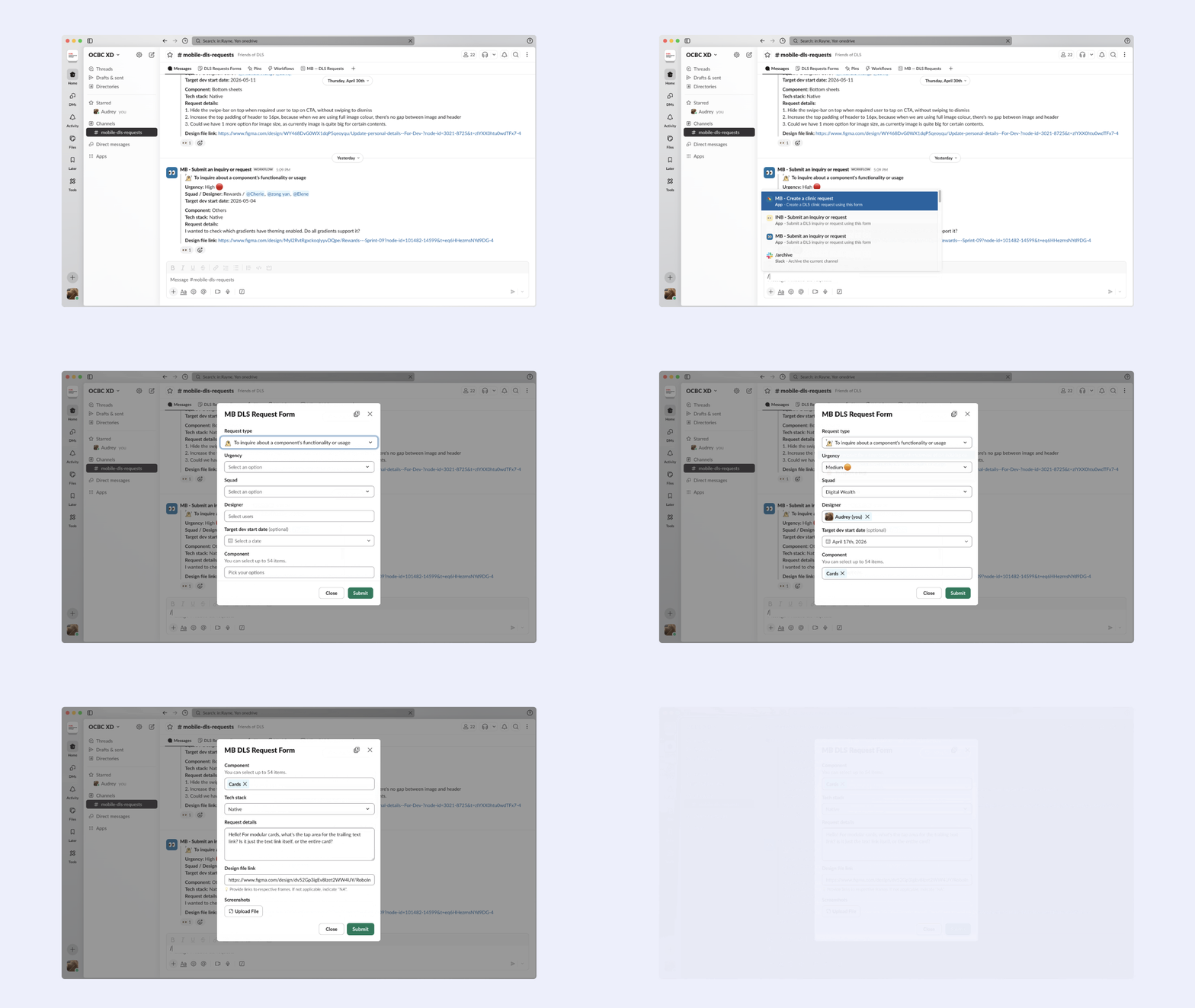
I introduced structured Slack workflows for DLS queries, giving designers a clear place to get support instead of approaching DLS members individually.
Each request captured the context we needed upfront, including the use case and relevant file links, so we could understand the request and respond directly in the Slack thread with less back-and-forth.
02 – Turn past answers into shared knowledge
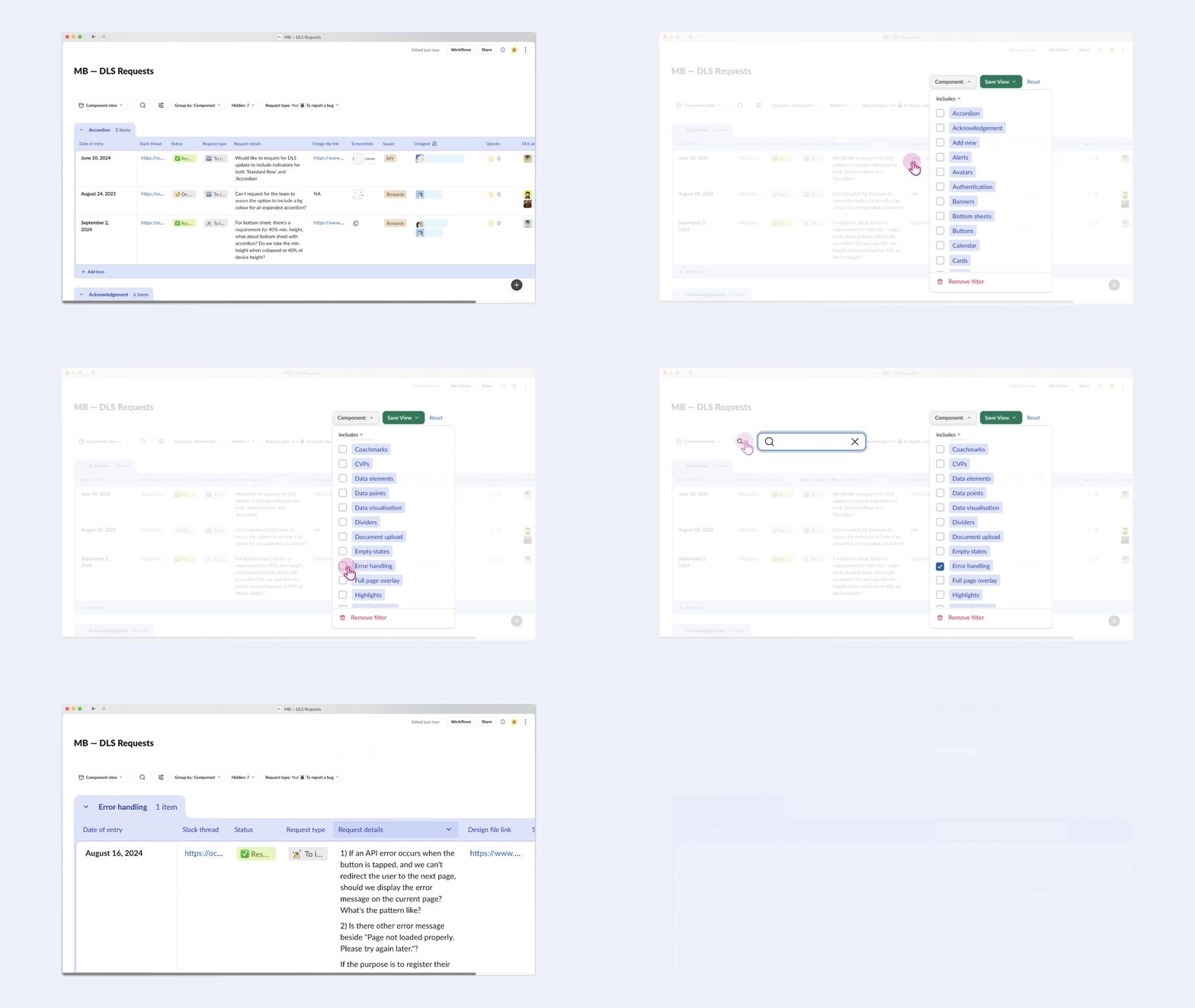
As Slack introduced new workflow features, I continued evolving the system. I used Lists to automatically capture new queries and migrated our previous records, bringing our DLS knowledge into one searchable library.
Designers could filter by component, squad and other details to find past answers and relevant use cases. For the DLS team, the library also helped us spot recurring questions and common misuse.
Insights from these queries and our weekly DLS discussions fed back into our documentation, keeping guidance up to date as new use cases emerged. Recurring themes were also address in our monthly DLS Updates, where we shared guidance with the wider design team.
03 – Create a clearer path for design reviews
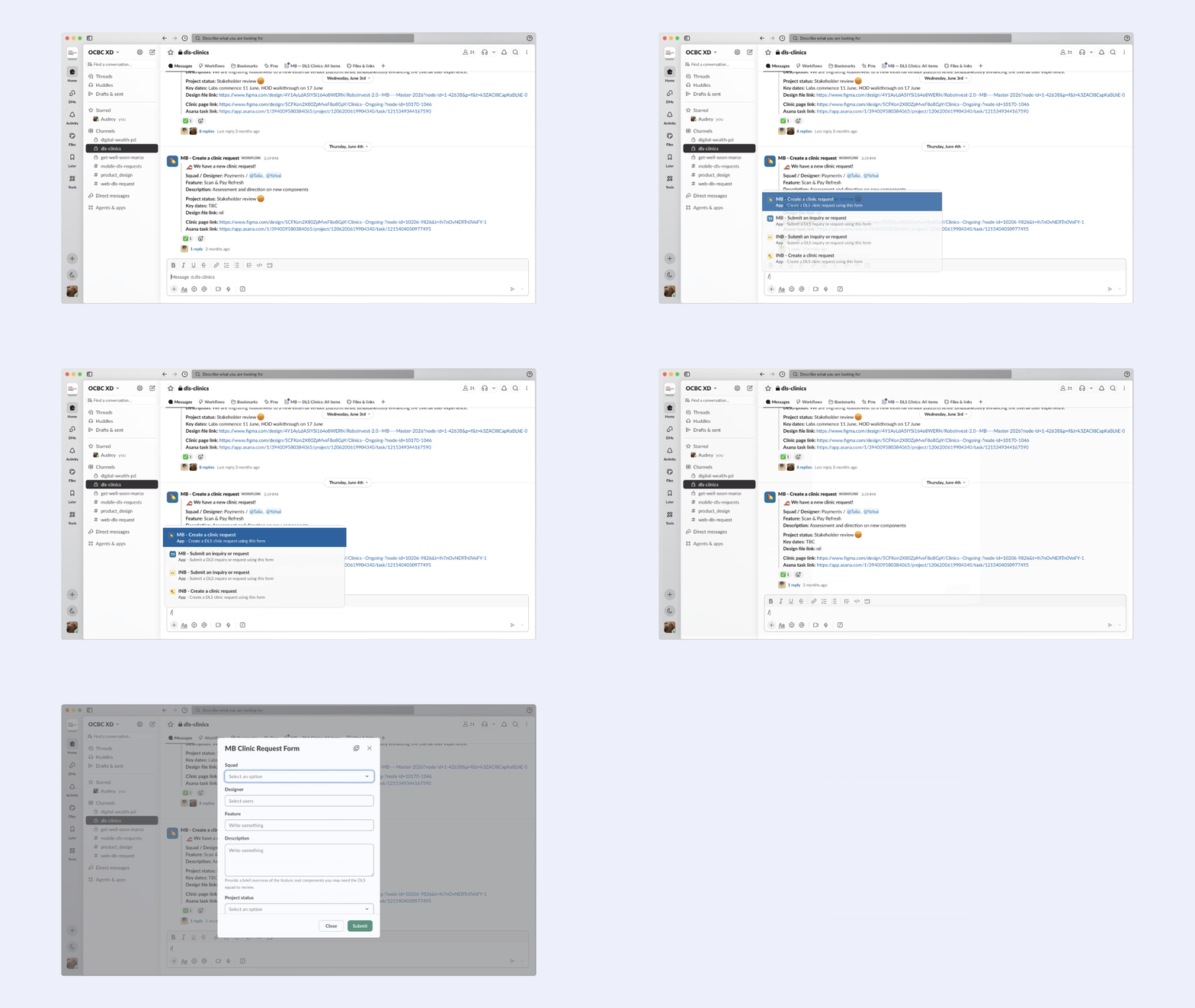
As the DLS matured, we introduced Design Clinics to strengthen governance and help designers apply components and patterns consistently across their flows.
I extended the Slack workflows to clinics too, giving designers a clear way to request a review and provide the context we needed before the session.
Impact
Less admin, more consistent support
2–5 hours saved per designer weekly
Centralising DLS support gave designers a way to self-serve from previous discussions, reduced repeated questions and created a shared source of knowledge for both designers and the DLS team.
The model also proved reusable. What started with our Consumer Mobile DLS was extended to Consumer Internet Banking DLS, with plans to scale it across Business Banking.